The World Cup is over.
Bafana were good not great, but they made history anyway, reaching the knockout rounds for the first time ever. In the low-expectation stakes, they “won hearts”. Among African teams, Morocco went furthest once again - reaching the quarter-finals, and for 60 minutes kept France at bay in the battle for a semi-final spot. As usual, the further they progresses, the louder became the clamour to follow the Morocco route. Much of their squad was born and raised outside Morocco, but as we know they went out, found their qualifying diaspora, and built a team from it.
Bafana, meanwhile, are in a different boat - all 26 players were South African born, with 19 of the 26 playing their trade in the PSL. the question has been - Do we follow the Morocco route and round up every South African talent across academies in Europe. Or we can make the most of what we already have here - a professional, well-funded league, world-class stadiums and infrastructure, universities and sports science, and player data. Lots of it.
What we already have
South African football is data-rich. Plenty of African football countries wish they were in our position data-wise. The likes of Ghana and Ivory Coast export players to Europe en masse, and come back to World Cups stronger for it. Bafana, despite legendary players making their mark in Europe, have never really had that pipeline. What we have instead is different, and all that is needed is to get better with.
As the PSL celebrates it’s 30 year anniversary, we are fortunate to have a full 30 years of player records. Every line-up, every game, every scorer, every card, in one place - this is the raw material of the stories that make up football culture. We should never take for granted that we can accurately track and recognise our top goal scorers, apperance makers etc (Peter Shalulile, Siyabone Nomvete, Daniel Mudau, Bernard Parker, Tso Vilakazi etc).
On top of that, and thanks to modern technology, we now have nearly a decade of event and tracking data. Players are wearing vests that track their physical output, while smart machines are using computer vision to track on-the-ball actions and off-the-ball movements. While smart clubs use that data, more can be done with it on a broader level. Having data on its own is not an advantage. Neither is having a rich footballing diaspora, on its own. Initially, both are just potential.
A new partnership
Earlier this year, we started been working with the African Institute for Mathematical Sciences (AIMS) - Africa’s first and largest network of centres of excellence for postgraduate training in the mathematical sciences. AIMS applies scientific expertise to complex systems and societal needs, tackling foundational questions and pressing African challenges alike. We can debate if improving our football is a societal need or a pressing African challenge, but we can not deny that it is a complex system. Three years ago we ran an SA Football Research project - closer to an undergraduate look at trends and patterns in South African football data.
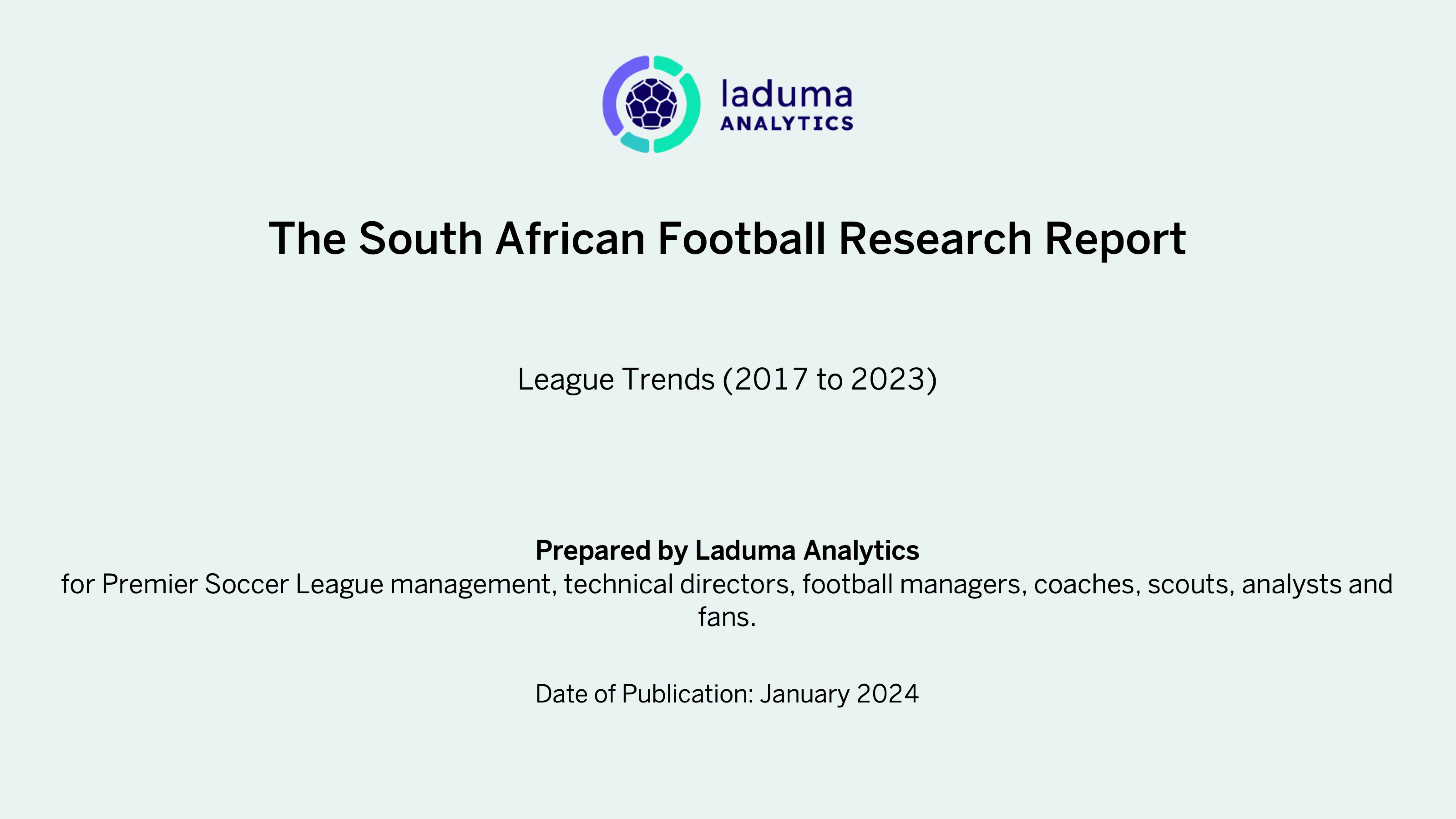
While that was useful, it was but a first step.
Earlier months of this AIMS partnership focused on sharing the landscape of South African football data. More recently, we were invited as industry data partners in a week-long hackathon hosted at AIMs. After sharing a sample of data, the professors in the research arm invited new approaches to applied problems.
What was on the table:
Financial decision-making in football management
Training data analytics
Player visibility, backed by metrics
How betting companies can use football data to hedge their risk
The week closed with Integrative Think Tank pitches, and we adjudicated the winners who received a cash prize.
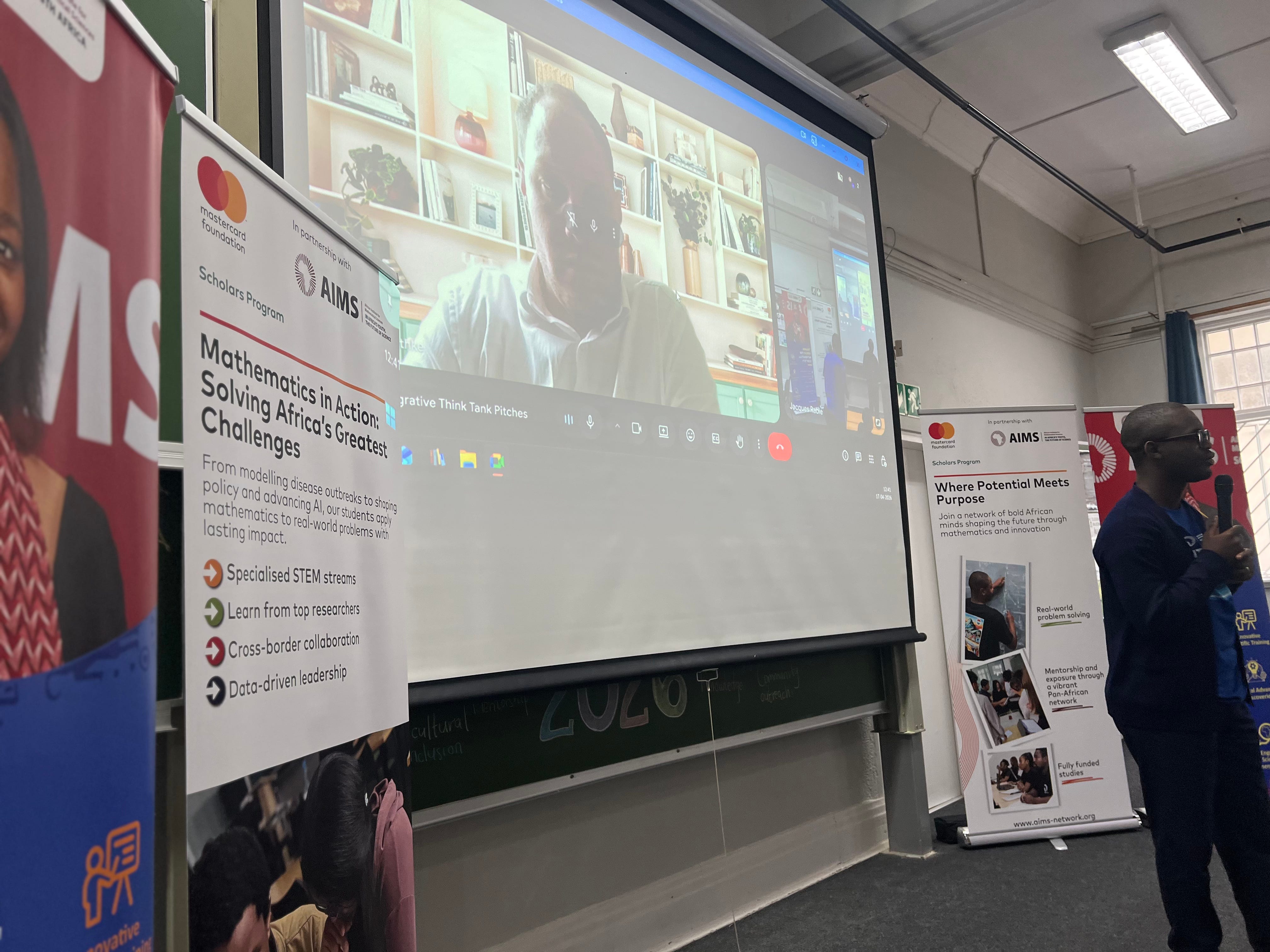
This was only a start, and there’s more coming. Further research collaboration with AIMS is already in motion.
Why research matters
Morocco have an advantage. Even the Springboks have advantages they identify and drive home. We all want what they have, but there is no single road to that level of their success. But, there is one road that is open to us all - the data road.
Bafana reached a World Cup knockout round for the first time in this country’s history, with a squad built mostly out of the PSL. There are terabytes of data on those players sitting available right now. The innovative work is asking better questions of it, with a scientific rigour that turns the potential into something usable.
With research, we can explore that something.
Get in touch. If you're a club, a researcher or a funder, we'd like to hear from you. There's more coming, and room for partners in it. Contact: info@ladumaanalytics.co.za